
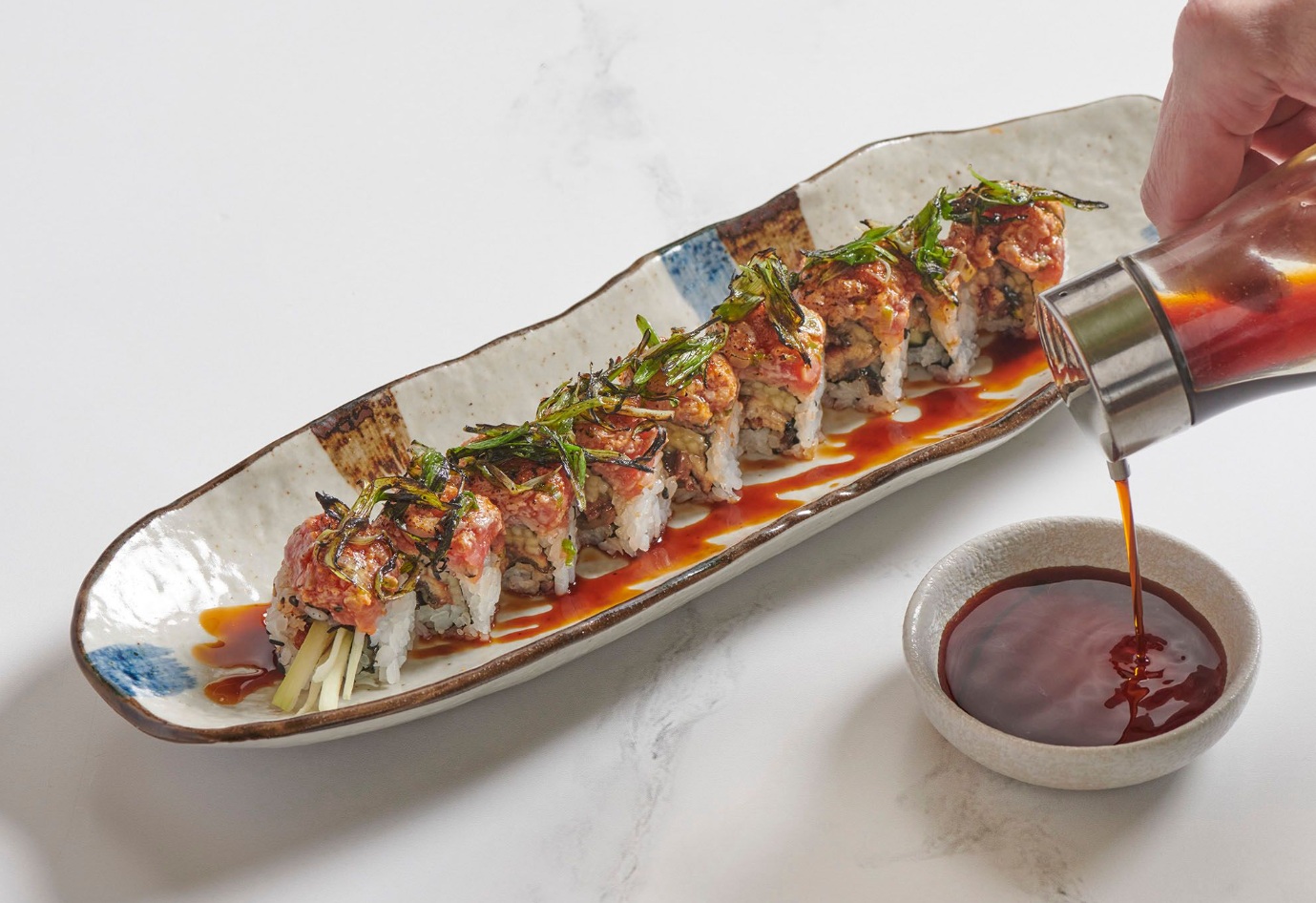
Sushi means different things depending on where you’re eating it. Some think of spicy tuna rolls or mayo-covered creations with fried toppings. Others think about quiet precision, clean flavors, and balance on a plate. That’s the difference between what’s popular and what is considered authentic Japanese sushi.
Authentic sushi focuses more on what you don’t add. It’s about the confidence of serving something simple, and doing so with purpose. You're not overwhelmed with sauces or choices. In places like Arlington Heights, Illinois, where winter hangs on and comfort is top of mind, authentic Japanese sushi offers something rare. It’s both refreshing and warm, satisfying but never heavy. And that quiet approach often ends up speaking louder than plates loaded with extras.
The Meaning Behind "Authentic" in Japanese Sushi
When people talk about authentic Japanese sushi, it often comes down to skill over show. It’s not just about slicing fish and adding rice. There’s a long tradition behind the food, and it shows up in subtle ways.
• Chefs often train for years before ever presenting sushi to guests. They learn how to wash, season, and shape rice before they even touch the knife. That kind of training matters when the ingredients are so simple.
• Traditional sushi doesn’t rely on bundles of ingredients. Instead, it sharpens the focus. The vinegar in the rice, the cut of the fish, and the temperature of the bite all work in quiet harmony.
• Presentation is clean and reserved. Rather than following food trends, you see the same types of preparations that were served generations ago, like Nigiri or Sashimi, shaped by hand and often with nothing more than a light brush of soy or citrus.
Authentic sushi doesn’t just aim to taste good. It aims to respect where the food came from and how it’s been treated.
Understanding the Role of Rice in Traditional Sushi
Rice in authentic sushi is not filler. It’s just as important as the fish resting on top. Get it wrong, and the whole bite feels off, even if the fish is perfect.
• Real sushi rice is lightly seasoned with vinegar and a bit of sugar and salt. It’s warm when served and slightly sticky so it holds together without being dense.
• If the grains are too firm or too wet, the texture distracts from the rest of the piece. That’s why the preparation, temperature, and feel of the rice are tested over and over again.
• One important difference with traditional sushi is that it looks for balance over boldness. Instead of drowning the fish in sauce or spices, the focus is on bringing out the natural sweetness in the rice and whatever's placed on top. Seasoning is built in from the start, not poured on later.
When a sushi chef holds back and lets the rice and fish do the work, what you taste is more honest.
What Sushi Looks Like Beyond the Roll
Authentic Japanese sushi often skips the rolls that most people are used to, especially the ones with layer after layer. That’s not to say there’s anything wrong with a good maki roll, but traditional sushi centers on forms like Nigiri and Sashimi.
• Nigiri is one of the most direct ways to appreciate sushi. A thin hand-pressed portion of rice is topped with a single slice of fish, from options like Akami, Uni, or Hotate, depending on what’s fresh. It’s built to be eaten in one bite.
• Sashimi skips the rice completely and places attention only on the seafood. That puts more pressure on the fish to stand up on its own, which is why presentation, freshness, and cut matter a lot more here.
• Omakase offers a seasonal tasting where the chef decides what’s served and when. It often includes Nigiri, Sashimi, and handrolls. The order helps you taste how richer cuts balance with lighter ones. It becomes an experience that doesn’t rely on customizations or frills.
At Kaido Sushi, guests can enjoy Nigiri and Sashimi flights, as well as Omakase that highlights a progression from light to rich, always focusing on the fish and perfectly seasoned rice.
The shape of the sushi changes the way you eat it. The cleaner the form, the easier it is to notice the work behind it.
Seasonal and Local Touches Make a Difference
One reason authentic sushi feels different is the way it follows the seasons. Rather than sticking with a set lineup all year, the offerings change based on what’s at its best.
• In colder months, cuts with more fat and flavor tend to show up, like Otoro or Chutoro. Their richness fits winter better than lean white fish. You may also find warm dishes to start, like Miso Soup or Kenchin Jiru, which balance steamed vegetables and mushrooms in a smooth broth.
• Even garnishes think about the season. Ingredients like citrus oil, ponzu, or shaved yuzu are more common in cooler months. They're bright, but still refreshing in a way that cuts the cold without being sharp.
• In a place like Arlington Heights, winter meals often lean heavy. But authentic Japanese sushi offers relief by being clean, moving light to rich and back again. Items like Scallop with Ikura or Hirame Crudo give you contrast without any heaviness.
Kaido Sushi’s menu reflects this philosophy, with Omakase and chef's specials adjusting for seasonal ingredients, while signature appetizers and rolls take on new flavors throughout the year.
That shift with the season lets the sushi stay interesting, without having to pile more things onto the plate.
Satisfying Simplicity: Why Real Sushi Leaves a Lasting Impression
There’s a quiet confidence to authentic Japanese sushi. You notice it in the way flavors build slowly, how everything is served with intention and nothing feels overcrowded or rushed.
• A well-made piece of Nigiri can express more than a roll with ten ingredients. From the warmth of the rice to the subtle shine of the glaze, each bite is shaped to hold up on its own.
• The less-is-more approach actually stays with you longer. It feels thoughtful, even a little grounding, in a way that few other meals do.
• Starters like Miso Soup, garnished with tofu and wakame, or balanced dishes like Tofu Hiyayako or Kaiso Salad play a similar role. They don’t try to fill you up fast, they try to settle you into the meal.
Authentic sushi isn't for show. It's for the person who wants to taste the ingredient, not just the seasoning. That simplicity can be more satisfying than anything that tries too hard.
Where Simplicity and Seasonality Meet
What sets something apart isn’t how big or bold it gets, but how much care went into making it. Authentic sushi might look plain compared to some of the flashier plates out there, but what it offers instead is a kind of trust. Each bite gives you exactly what it promised, no surprises and no distractions. That's what makes it feel just right, as the snow falls, as the air stays cold, and as diners in places like Arlington Heights sit down in search of something real.
Experience the quiet balance and fresh detail of real sushi with our seasonal selections at Kaido Sushi, where each dish in Arlington Heights, IL is crafted with care and intention. From warming soups to expertly cut Nigiri, we focus on letting the natural flavors of fish and rice shine. Discover how we celebrate the spirit of Authentic Japanese Sushi by exploring our current menu, then call or visit us to reserve your seat.